

Month: September 2025

swing

How Kettlebell Workouts Improve Cardiovascular Health and Endurance How Kettlebell Workouts Improve Cardiovascular Health and Endurance

Cardiovascular health is central to overall well-being. It reflects how well the heart, lungs, and blood vessels work together to deliver oxygen throughout the body. When this system is strong, energy levels rise, daily activities feel easier, and long-term health risks drop. While many prefer running and cycling, it is also important to build explosive power with kettlebell training as a powerful alternative that combines strength with endurance.

The Cardio Effect of Kettlebell Movements

cardio

At first glance, kettlebells may seem suited only for strength training. Yet many of the movements demand constant motion. Swings, cleans, and snatches engage large muscle groups in a repetitive rhythm. This keeps the heart rate elevated in a way that mirrors traditional aerobic exercise. The result is an efficient workout that builds both muscular power and cardiovascular stamina at the same time.

The Demands From the Body

Kettlebells are unique because of their design. The weight sits off-center, which forces the body to stabilize with every movement. This added demand increases the intensity of even simple exercises. Unlike steady-state cardio, kettlebell training challenges multiple systems at once. Muscles, lungs, and heart must all work together. The coordination required ensures greater energy output and improved endurance over time.

Endurance Through Interval Training

endurance training

Many kettlebell workouts follow an interval structure. High-intensity swings or presses are paired with short rest periods. This pattern mirrors high-intensity interval training, known for boosting endurance and heart health. The body adapts by learning to recover more quickly between efforts. Over weeks of consistent practice, this adaptation leads to stronger cardiovascular performance and the ability to sustain effort longer.

Circulation and Oxygen Use

Strong circulation is vital for endurance. Kettlebell exercises involve continuous movement, which encourages better blood flow. As muscles demand oxygen, the heart pumps harder and the lungs expand more fully. This process conditions the cardiovascular system to transport oxygen with greater efficiency. Better oxygen delivery means the body can maintain activity without tiring as quickly. This translates into improved stamina in both workouts and everyday life.

Weight Management and Heart Health
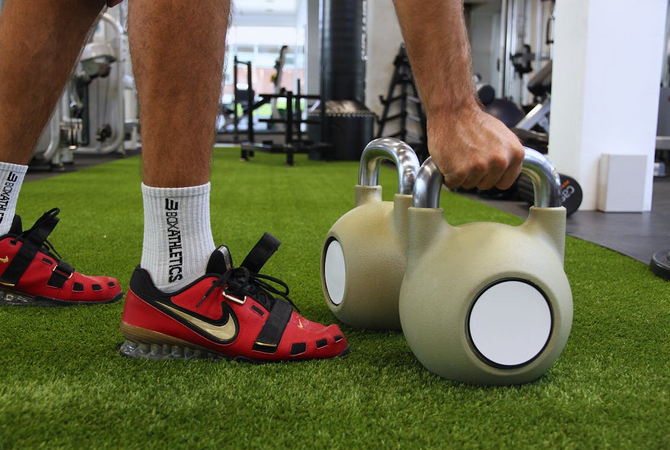
Health

Kettlebell training is a calorie-burning powerhouse. Because it combines strength and cardio, energy expenditure stays high during and after a session. This helps support weight management, which directly influences heart health. Carrying less excess weight reduces strain on the heart and lowers risks associated with high blood pressure or cholesterol. The connection between kettlebells and cardiovascular wellness is therefore both immediate and long-term.

Accessibility for Different Fitness Levels

Another reason kettlebells are effective for endurance is their adaptability. Beginners can start with lighter weights and slower movements to build a foundation. Advanced users can progress to complex routines that push the limits of heart and lung capacity. This scalability ensures that kettlebell training can meet the needs of a wide range of individuals. With consistency, each person experiences measurable gains in both endurance and cardiovascular strength.

As with any form of exercise, proper technique matters. Incorrect form can lead to injury, especially when fatigue sets in. Learning the basics from a coach or reliable guide is wise. Once the technique is solid, kettlebells offer the utmost benefit with relatively low risk. Safety combined with intensity makes them a sustainable option for improving cardiovascular health. When balanced correctly, they provide a training method that challenges the body and supports long-term wellness.


middle age woman

Is Hormone Replacement Therapy Right for You? A Guide for Women Over 40 With Low Energy Is Hormone Replacement Therapy Right for You? A Guide for Women Over 40 With Low Energy

If you’re in your 40s or beyond, chances are you’ve noticed some changes—maybe hot flashes, mood swings, disrupted sleep, or fatigue that lingers no matter how many hours you rest. These shifts are often signs that your hormones are changing, especially as you approach perimenopause or menopause. Hormone Replacement Therapy (HRT) is one of the most talked-about solutions for managing these symptoms, but is it right for you? Here’s what you need to know to make an informed choice.

The Role of Hormones in Your 40s

Your 40s mark the beginning of a transitional phase known as perimenopause, when estrogen and progesterone levels begin to fluctuate. This hormonal shift can affect everything from your mood and energy levels to your sleep and libido. Many women find themselves suddenly dealing with brain fog or unpredictable emotions, which can feel overwhelming. If you’re struggling with fatigue or lack of drive, you might benefit from exploring ways to regain momentum when you’re drained, as this period can take a real toll on motivation and mental clarity.

What Exactly Is Hormone Replacement Therapy?

pill

Hormone Replacement Therapy involves supplementing the body with hormones—typically estrogen, sometimes paired with progesterone—to help balance out what your body is no longer producing in the same amounts. HRT can be administered through pills, patches, gels, creams, or even pellets. The goal is to relieve common menopausal symptoms like hot flashes, night sweats, vaginal dryness, and sleep issues. It’s not about turning back the clock—it’s about helping your body function more comfortably during a major life transition.

Benefits That Go Beyond Menopause Symptom Relief

Many women considering HRT are drawn to it for relief from the hallmark symptoms of menopause, but there are other potential benefits too. Research suggests that HRT may help maintain bone density, lower the risk of osteoporosis, and even support heart health when started at the right time. Some women also report improvements in mood, skin elasticity, and sexual health. That said, it’s not a one-size-fits-all solution, and individual outcomes can vary depending on age, overall health, and personal hormone levels.

The Risks and Side Effects

dizzy

As with any medical treatment, HRT isn’t without its risks. For some women, especially those with a history of breast cancer, blood clots, or stroke, HRT may not be recommended. Side effects can include bloating, breast tenderness, headaches, or nausea—though many of these resolve over time or with a change in dosage or delivery method. It’s important to have an honest conversation with your healthcare provider, weigh the pros and cons, and regularly re-evaluate how your body is responding.

Is HRT Right for You?

The decision to start HRT is personal and should take into account your symptoms, medical history, and lifestyle preferences. If your symptoms are interfering with your quality of life and other lifestyle changes haven’t helped, HRT might be worth considering. However, if your symptoms are mild or you prefer a more natural approach, there are non-hormonal treatments and lifestyle adjustments that can also provide relief. Working with a doctor who specializes in women’s health can help tailor the best plan for your body and your needs.

Hormonal changes are a natural part of aging, but that doesn’t mean you have to just “grin and bear it.” Hormone Replacement Therapy can be a powerful tool for some women—but it’s not the only option, and it’s not for everyone. The key is being informed, paying attention to how you feel, and seeking guidance from trusted healthcare professionals. When it comes to your health, you deserve to feel empowered, supported, and in control.